Key points
- Keep potatoes dark, cool and unwashed, out of the refrigerator and away from fruit.
- Keep onions dry and airy with their skins on, and never in the same bin as potatoes.
- Keep garlic as whole heads with the skins on, somewhere dry with air around them.
- Apples, pears and other ripening fruit give off ethylene, so give them their own spot.
Why one bin for everything goes wrong
A wire basket with potatoes on the bottom, onions on top and a few apples on the side looks tidy. It is also three of the pairings extension services warn against. Clemson's Home & Garden Information Center says plainly: do not store potatoes and onions together. NDSU Extension says not to store potatoes close to fruit, because ripening apples and other fruit give off ethylene, a plant hormone that encourages potatoes to sprout early. And the University of Nebraska-Lincoln notes that apples pass their odor and their ethylene to other produce, and suggests storing apples separately when you can.
The fix is not more space. It is three small spots instead of one big one: a dark place for potatoes, a dry and airy one for onions and garlic, and a bowl for fruit that is ripening on the counter. Each of them can sit within reach of the cutting board.
Potatoes: dark, cool, unwashed
Light is the first thing to keep off a potato. NDSU explains that light turns potatoes green, and both NDSU and the University of Nebraska-Lincoln say to trim and discard green parts before cooking. A paper bag in a cabinet, a drawer or a lidded bin away from the window all do the job. A clear bowl on a sunny counter does not.
Temperature comes next. NDSU says potatoes keep their best quality for about one week at room temperature and stay fresh for several weeks between 45 and 50 degrees F. Clemson's chart for a pantry at 65 to 70 degrees F gives white potatoes 2 months or less. The refrigerator is too cold: NDSU warns that potato starch can change to sugar there, which browns potatoes too fast when they fry and gives them a sweet taste.
Do not wash them before they go away. NDSU says moisture speeds spoilage, and Nebraska also says to store potatoes unwashed, so scrub them just before cooking. If one sprouts, NDSU says it is still edible once the sprouts are removed and discarded, and that a cool, dry, well-ventilated spot helps prevent sprouting in the first place.
Onions: dry air and their own space
Onions need the opposite of a closed bag. Nebraska's guide says to store them in shallow boxes or mesh bags in a dry, well-ventilated place, and to leave the dry outer skins on, since they help reduce bruising and shrinking. It also warns that foods which take up odors and flavors should not be stored close to onions.
On a kitchen counter, Clemson gives white, yellow and red onions 3 to 4 weeks and sweet onions such as Vidalia 1 1/2 to 2 weeks. That second figure is worth knowing before you buy a ten-pound bag of sweet onions in June. The figures in the Nebraska table, months rather than weeks, are for a cold room near 32 degrees F, which is a root cellar rather than a kitchen.
Garlic: whole heads, skins on, air underneath
Garlic keeps best as it comes, a whole head in its papery skin. Nebraska's table marks garlic with the note do not remove skins, and gives it 65 to 70 percent humidity in cold storage, drier than the 90 percent and more it lists for most vegetables. In a 65 to 70 degree F pantry, Clemson gives garlic anywhere from a few weeks to a few months, which depends on how fresh the heads were when you bought them.
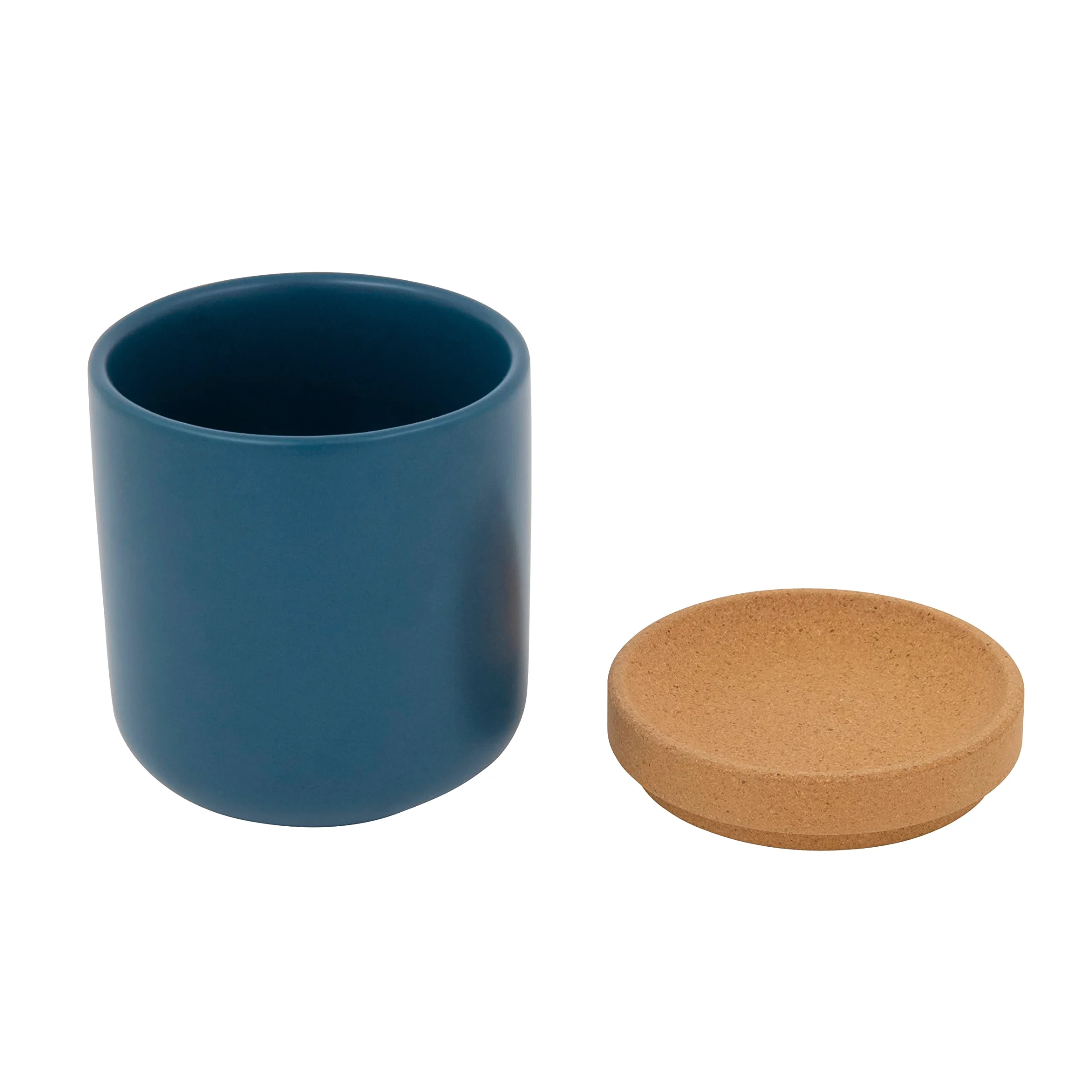
Our Ceramic and Cork garlic keeper is built around that need for air. It is 4 inches across and 5 inches tall, with holes in the bottom so air moves under the heads rather than pooling around them. The curved cork lid has a second use: a few loose cloves you will cook this week can sit in its hollow, and the lid also lets you stack the keeper with another piece on the counter. Break a head apart only when you need it, and keep the rest whole inside.
Fruit and the ethylene it gives off
Ethylene is an odorless, colorless gas, and Penn State horticulture specialists name the fruits that release the most: apples and pears above all, then apricots, avocados, cantaloupes, nectarines, papayas and peaches. Bananas, peppers and tomatoes give it off too once they are fully ripe. In the Penn State article, the advice is simple: keep the produce that gives off the gas apart from the produce that reacts to it, such as carrots, leafy greens and cucumbers.
That makes the fruit bowl a place for fruit, kept away from the carrots, greens and potatoes that react to the gas. Penn State adds that apples keep best in the refrigerator unless they are under-ripe, so the counter is where hard pears, green bananas and firm peaches finish ripening. Move them to the refrigerator, or onto a plate, once they are ready to eat.
Using a two-tier produce bowl well
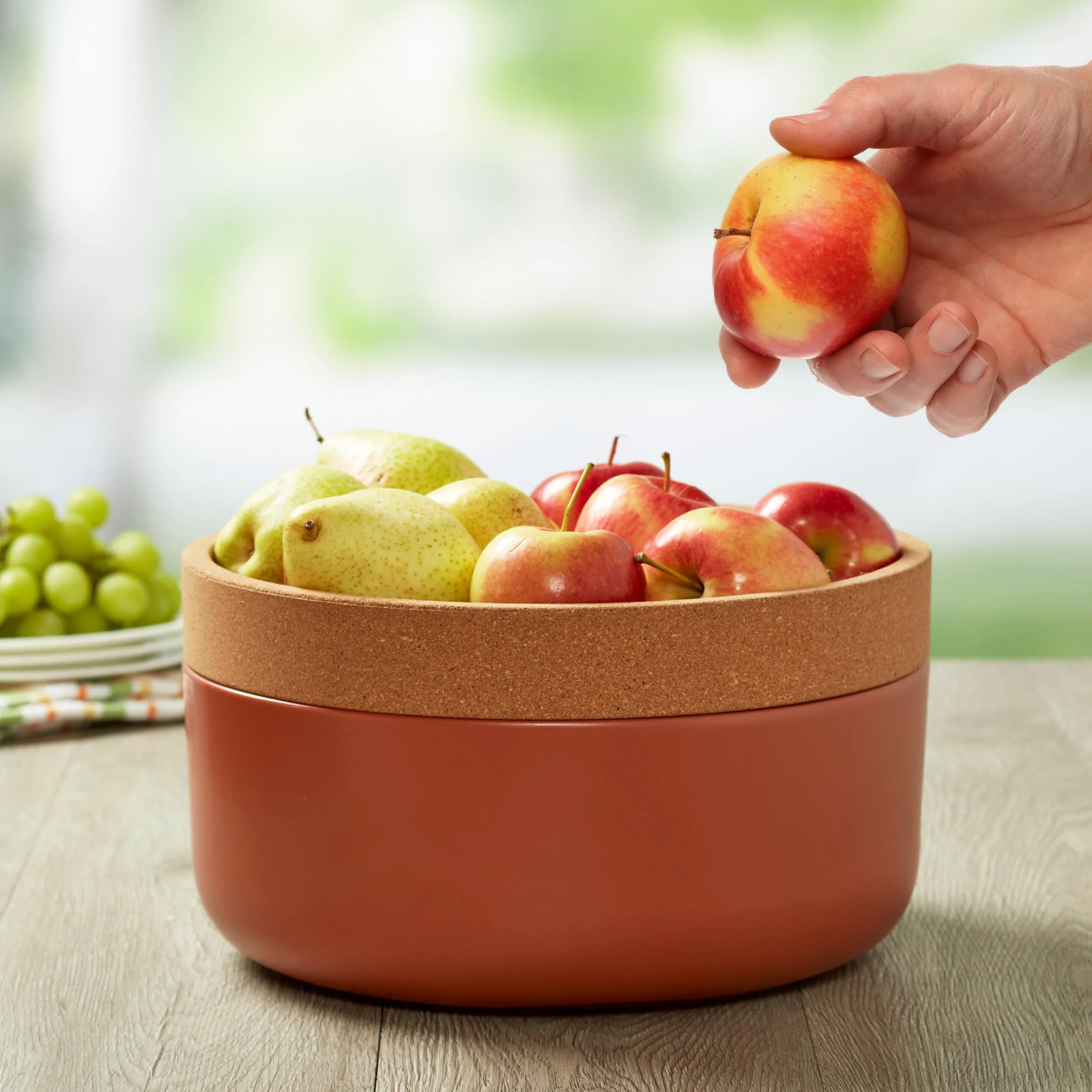
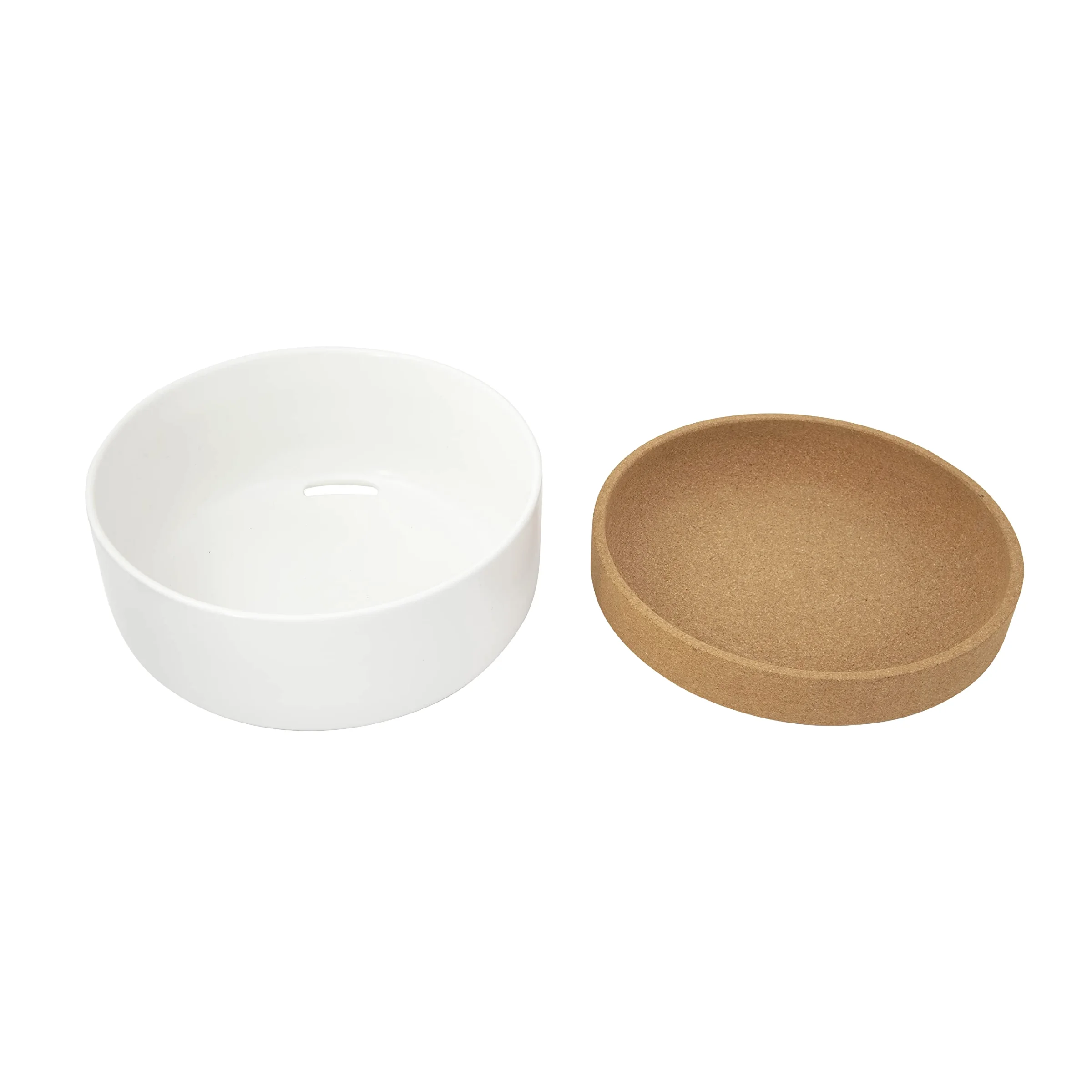
Our two-tier produce bowl is 11 by 11 inches and 6 inches tall. The ceramic base holds produce below, and the cork tray sits on top as a lid and a second bowl, with fruit in the upper tier. The question is what to put underneath, and the extension guidance answers it.
Onions are the better fit for the lower part. They need dry air and do not belong with potatoes, and a bowl on the counter keeps them apart from the potato bin. Potatoes are the ones to keep out of it when fruit sits on the lid, since NDSU names ripening fruit as the reason potatoes sprout early. Give potatoes a dark cabinet or drawer of their own, away from the stove and the fruit.
- 1
Set the bowl away from the stove, the dishwasher and the sunniest window.
- 2
Put dry onions, skins on, in the ceramic base.
- 3
Set the cork tray on top and fill it with fruit that is still ripening.
- 4
Look through both tiers every few days and take out anything soft, as Nebraska advises for any stored produce.
Where each one goes
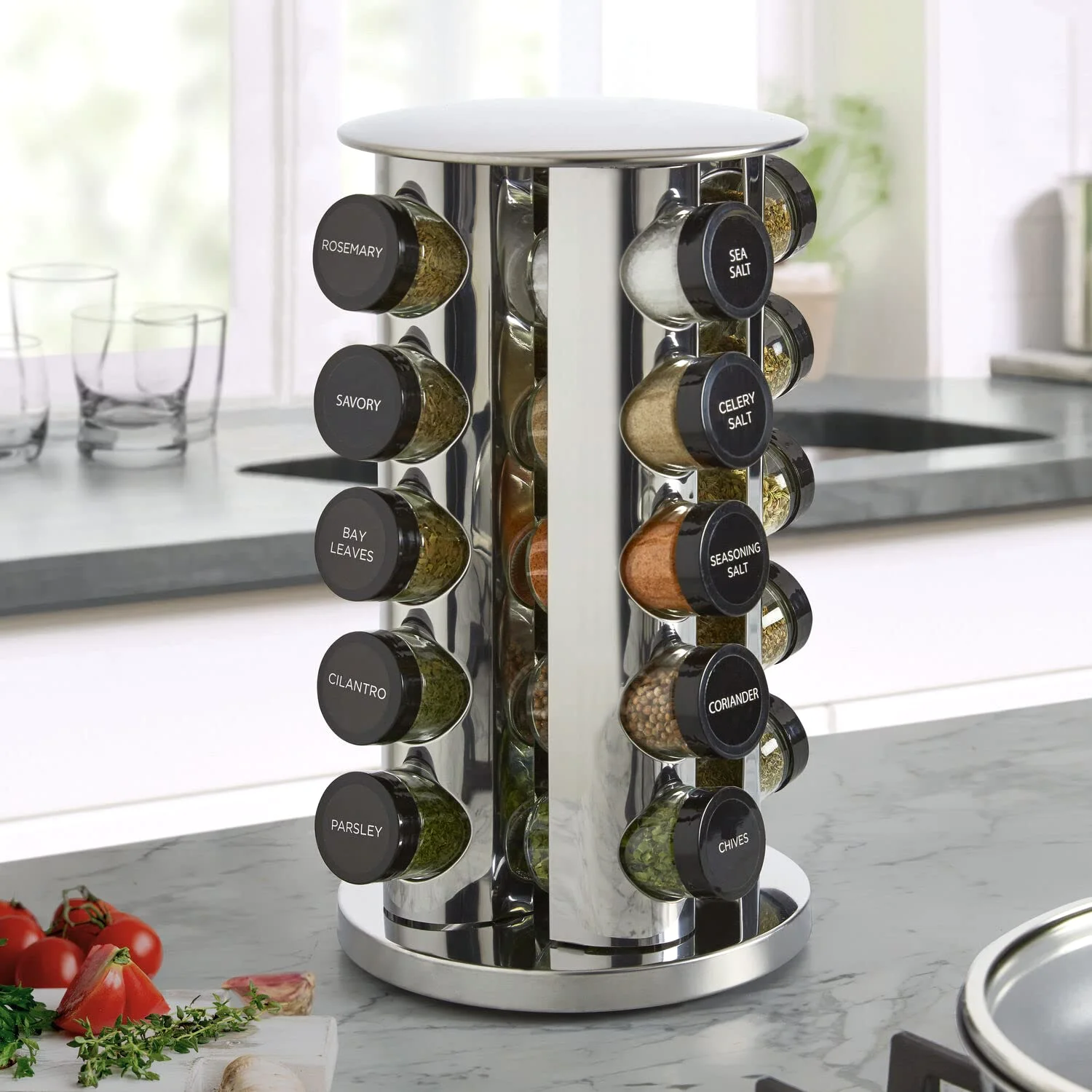
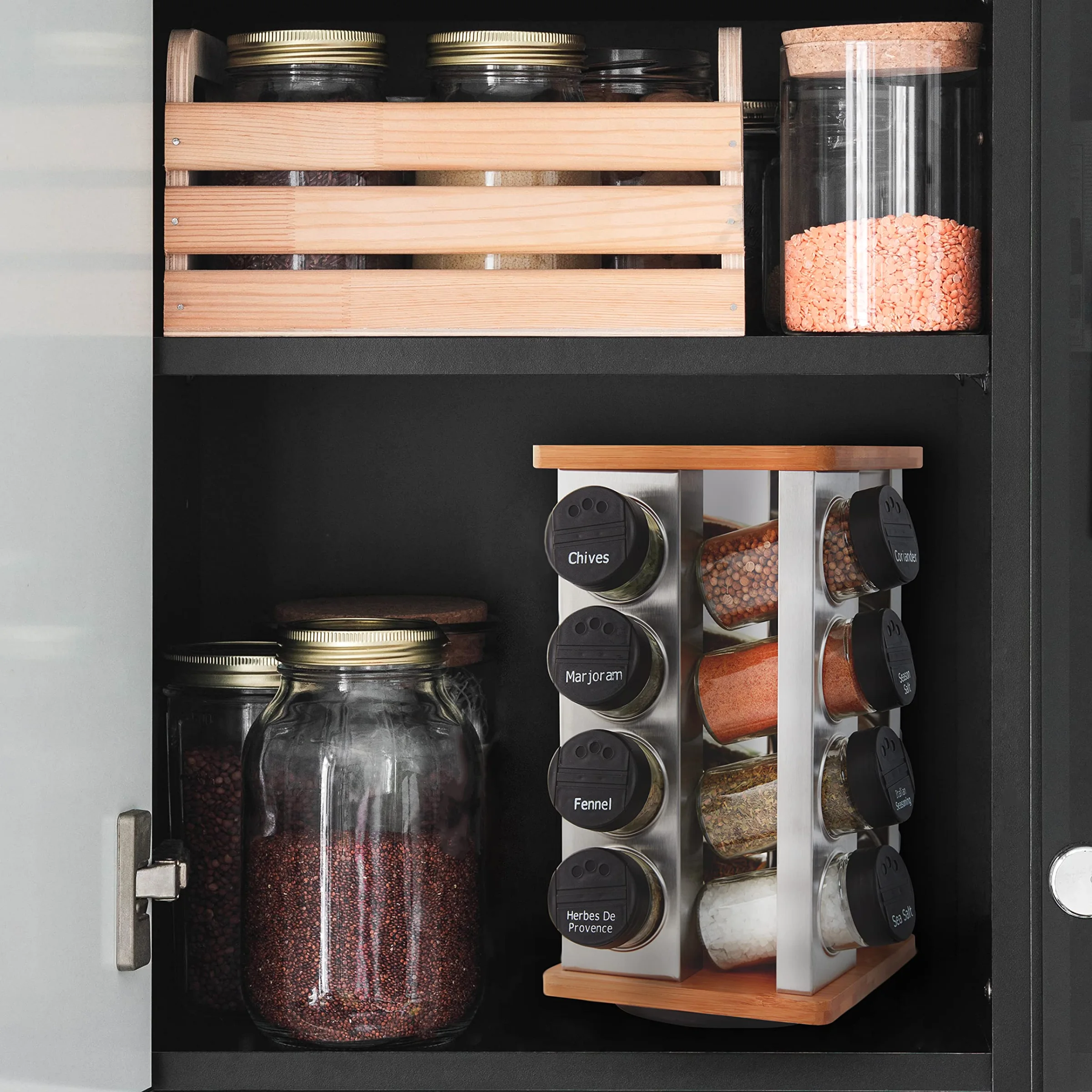
Counter space is limited, so the plan has to fit in a few square feet. The table gathers the advice from the extension services in one place, with Clemson's pantry times at 65 to 70 degrees F. The rest of our Ceramic & Cork pieces, from canisters for sugar and flour to the salt pig by the stove, sit on our Ceramic & Cork shelf. Spices follow similar rules of dry, dark and away from heat, and the guide to how long spices last covers them.
| Item | Where to keep it | Keep it apart from | Pantry time at 65 to 70 °F (Clemson) |
|---|---|---|---|
| White potatoes | Dark and cool, unwashed, out of the refrigerator | Onions, ripening fruit, light | 2 months or less |
| White, yellow and red onions | Dry and airy, skins on | Potatoes, foods that take up odors | 3 to 4 weeks |
| Sweet onions | Dry and airy, skins on | Potatoes, foods that take up odors | 1 1/2 to 2 weeks |
| Garlic | Whole heads with skins, dry, air around them | Moisture | A few weeks to a few months |
| Apples and pears | Counter while under-ripe, then the refrigerator | Potatoes, carrots, leafy greens | Not in the pantry chart |
Every piece named here is part of the Kamenstein lineup.